
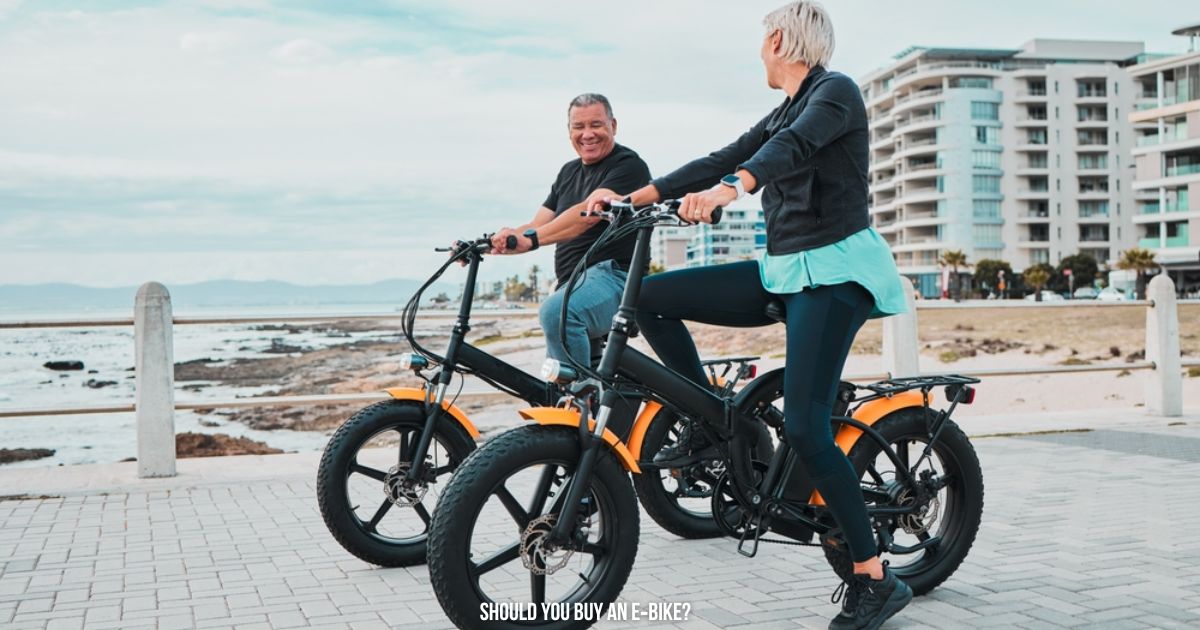
Thinking of trading your car, scooter, or regular bike for an e‑bike? Maybe you’ve seen people zooming across town on sleek electric bicycles and wondered: “Are those things really worth it?” E‑bikes promise easier commutes, less sweat on hills, and a lighter footprint on the planet — but they also come with trade‑offs like battery care, maintenance, and upfront cost.
In this article, I’ll walk you through everything you need to know before you take the plunge. We’ll explore the real living costs, the expected lifespan, the pros and cons, and some practical advice for getting the most out of your e‑bike. By the end, you should have a clear sense of whether an e‑bike fits your lifestyle and what to watch out for.
What Is an E‑Bike — and Why Are People Buying Them
What Makes an E‑Bike Different
An electric bike (e‑bike) looks much like a regular bicycle — but with one extra ingredient: a motor and battery system that adds pedal assistance or full electric power. This makes pedaling easier, especially on hills or longer commutes, and transforms the ride from a workout into a more relaxed, efficient mode of transportation.
Modern e‑bikes usually feature:
-
A lithium‑ion battery (often 250Wh–700Wh) that powers the motor;
-
A hub motor (in the wheel) or a mid‑drive motor (near the pedals) that gives you that extra push; mid-drive motors often offer better performance and longevity.
-
Standard bike components — frame, drivetrain, brakes — similar to a regular bike, but slightly heavier due to the added electrical gear.
Because of these features, e‑bikes bridge a gap: they’re easier than a regular bike but far cheaper and more flexible than a car — many people find them ideal for commuting, errands, or leisure rides.
Why E‑Bikes Are Gaining Popularity
-
Convenient commuting: In congested cities, an e‑bike can often beat both public transit and cars for short‑to‑medium commutes. Riders save on gas, parking, and time.
-
Accessibility: People who may find traditional cycling tiring — whether because of hills, fitness level, or long distances — can still enjoy cycling thanks to motor assistance.
-
Cost savings over time: No fuel costs, lower maintenance compared to cars, and no need for insurance or parking fees makes them economical in the long run.
-
Eco‑friendly travel: Compared to vehicles, e‑bikes produce far less carbon emissions per mile, making them a greener alternative, especially for urban travel.
-
Fun and flexibility: Want a relaxed ride on weekends? Need a quick run to the store? E‑bikes combine ease-of-use with bicycle-like freedom — no license needed, and often easier to park than a car.
Given these advantages, it’s easy to see the appeal. But are they worth it — especially given their drawbacks?
Are E‑Bikes Actually Worth It? Pros & Real‑Life Benefits
Here’s a breakdown of the main advantages of owning an e‑bike. For many people, these benefits make e‑bikes a smart, worthwhile investment.
Major Pros
| Benefit | Why It Matters / When It Helps |
|---|---|
| Faster, easier commuting | With motor assistance, you travel longer distances and tackle hills with far less effort. Good for daily commutes, errands, or avoiding traffic jams. |
| Lower long‑term costs vs. car | No gas, no insurance, no parking fees — minimal ongoing costs if you maintain battery and components. |
| Better for the environment | Emits far less CO₂ per mile than cars. For eco‑conscious city dwellers, it’s a greener alternative. |
| Increased accessibility | Allows people who may not be avid cyclists — due to age, stamina, or physical condition — to ride comfortably. |
| Reduced transit times in congested areas | Especially in cities with heavy traffic, e‑bikes can be quicker than cars or buses — and often more reliable than public transit. |
| Flexible lifestyle use | Great for errands, grocery runs, leisure rides — a practical hybrid vehicle for everyday use. |
Real‑life example: A commuter living in a busy city — say, Manila — might replace a daily 5–10 km car journey with an e‑bike ride. Over time, savings from fuel and parking, plus fewer emissions and faster door‑to‑door times, can make a noticeable difference in both time and money.
Another example: A parent using an e‑bike for school runs or grocery trips finds that hills and heavy bags aren’t as tiring with pedal‑assist — making errands simpler and less of a workout.
Health and Lifestyle Perks (with some effort)
Unlike a car or scooter, riding an e‑bike still involves pedaling — especially if you use lower assistance settings. That means:
-
Some cardio exercise and leg work remain, which helps keep you active.
-
You get to spend more time outside — in fresh air — rather than being stuck in traffic.
-
If you typically avoid biking because of fitness level, hills, or distance, an e‑bike can make cycling accessible again.
So while you might not break out in a sweat like during a regular bike ride, e‑bikes can still contribute to mild-to-moderate daily movement — a win for overall wellness.
Savings Over Time
Yes, e‑bikes often come with a higher upfront cost than regular bikes — but over the years, they can pay off. Once you factor in savings from:
-
Fuel (if you’re replacing a car or motorbike)
-
Parking and tolls
-
Maintenance (e‑bikes are usually cheaper and easier to maintain than cars)
-
Avoided insurance or registration fees (depending on where you live)
The economics start to make sense. Many riders report breaking even after a couple of years, especially for daily commuting or frequent use.
What Is the Lifespan of an E‑Bike — How Long Will It Actually Last?
A common concern: “If I buy an e‑bike, how long before I’m replacing the battery or the whole bike?” The truth: the lifespan depends a lot on quality, usage, and maintenance. But with proper care, e‑bikes can serve you well for many years.
🔧 Component Lifespans: What to Expect
| Component | Typical Lifespan / Notes |
|---|---|
| Battery | 500–1,000 full charge cycles. For many riders, that means 3–5 years of regular use. With careful charging habits (avoiding full discharges, storing in moderate temperature), some batteries might stretch closer to 7–8 years. |
| Motor (hub or mid‑drive) | With proper use, motors can last many thousands of miles. Many sources mention 10,000–20,000 miles or more as a reasonable benchmark. A well‑built motor outlasts the battery in most cases. |
| Frame | Made of aluminum, steel, or other metals — a quality frame can last 10–20 years or more if maintained and not exposed to serious damage or rust. |
| Drivetrain, tires, brakes, consumables | Similar to regular bikes — expect regular wear and tear. Chains, tires, brake pads, gears need replacement every few hundred to a few thousand miles, depending on use. |
Most e‑bike guides and sellers suggest a realistic overall lifespan of 5 to 10 years for the bike — though the frame may last far longer, and you may simply replace the battery (or other components) as needed.
🛠️ What Affects Longevity — and What You Can Do About It
Your e‑bike won’t last if you treat it like a rough rental car. These factors make a big difference:
1. Battery care habits
-
Avoid draining the battery to 0% regularly. Instead, aim to keep charge levels between ~20–80%.
-
Avoid exposing the battery to extreme heat, cold, humidity, or direct sunlight — store your e‑bike in a cool, dry place.
-
Use the correct charger (ideally the one provided with the bike) and follow manufacturer instructions.
2. Regular maintenance
-
Keep the drivetrain clean and lubricated — this helps the motor and gears last longer.
-
Check brakes, tires, and mechanical parts frequently — just like with a normal bike.
-
If you live in a humid or coastal environment (like many parts of Southeast Asia), watch out for rust and corrosion — storing indoors helps.
3. Riding habits and terrain
-
Frequent riding on rough terrain, steep hills, or with heavy loads will stress the motor and battery more, shortening lifespan.
-
Overloading beyond the recommended weight limit can strain components.
4. Initial build quality and components
-
A well‑constructed e‑bike from a reputable brand usually lasts longer and has better parts availability. Cheap or unknown brands may skimp on battery quality, wiring, or modular components — leading to earlier failures.
-
Prefer bikes with replaceable batteries and parts (rather than sealed or proprietary designs) for better long‑term value.
Realistic Scenario: Lifespan Over Time
-
Years 1–3: Battery at 100%, motor and frame working well, minimal maintenance. Great riding experience and easy commuting.
-
Years 4–5: Battery starts to lose some capacity; range may drop. Motor and frame are still solid. Occasional tune‑ups and battery replacement may be needed.
-
Years 6–10+: With battery replacements and regular maintenance, the bike can continue being useful. The frame may last much longer; other components (tires, brakes, chains) are likely to be replaced multiple times.
-
Beyond 10 years: If frame and wiring are still in good shape, the bike could still ride — though performance may be reduced, and older electronics might start showing age.
What Are the Negatives of E‑Bikes? What to Watch Out For
E‑bikes are appealing — but like any technology, they have downsides. It’s important to go in with open eyes about what you’re signing up for.
⚠️ Common Drawbacks and Challenges
-
High Upfront Cost
-
A good e‑bike often costs significantly more than a regular bicycle — many fall in the range of US $1,200 to $2,000–$4,000+, depending on motor, battery, and build quality.
-
For people used to cheap bikes or public transit, this initial investment may feel steep.
-
-
Battery Maintenance & Replacement Cost
-
Batteries generally need replacement every 3–7 years, at a typical cost of $300–$800.
-
Improper charging or exposure to extreme conditions can reduce battery life faster.
-
-
Heavy and Bulky
-
E‑bikes are heavier than regular bikes — often 40–60 lbs (18–27 kg) due to batteries and motors.
-
That makes carrying them up stairs, lifting them onto bike racks, or storing them in small apartments more difficult.
-
-
More Complex Maintenance
-
Unlike a regular bike, e‑bikes have electrical systems, battery management, and motors — meaning you may need professional servicing for some issues.
-
Worn-down components (motors, batteries, wiring) may be more expensive or harder to replace, depending on brand and part availability.
-
-
Reduced Resale Value (on Some Models)
-
Many e‑bikes lose value quickly over time — especially cheaper, unknown-brand models, or those with battery degradation.
-
Proprietary parts or obscure brands may make resale or part replacement difficult down the line.
-
-
Less “Pure Exercise”
-
While e‑bikes still require pedaling, the assistance reduces the physical exertion compared to a regular bike, so if fitness is your main goal, you might get less benefit.
-
Some people view this as a con: you get mobility but lose some of the workout value.
-
-
Battery and Motor Limits
-
Range per charge typically falls between 25 to 70 miles (≈ 40–110 km) — depending on battery size, terrain, rider weight, and assist level.
-
On extended trips, recharging may be inconvenient or require planning (if the charger isn’t standard or there’s no outlet).
-
-
Regulatory or Legal Restrictions (in Some Areas)
-
In certain cities or countries, e‑bikes may be subject to restrictions: limits on speed, where you can ride, licensing, or classification rules.
-
Always check local regulations before committing — especially if you live somewhere with tight traffic regulations.
-
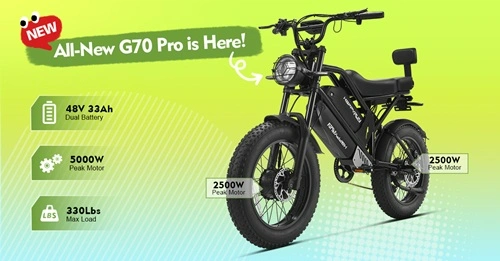
Unleash the Thrill: Ride the Future with HappyRun E‑Bikes!
Experience the ultimate ride with HappyRun, where cutting-edge e‑bikes and electric motorcycles meet adventure. Feel the rush as you conquer trails, streets, or off-road paths with power, style, and eco-friendly efficiency. From sleek city cruisers to rugged dirt bikes, we’ve got the perfect machine to electrify your journey. Visit happyrunsports.com today and transform every ride into an unforgettable adventure!
Should You Buy an E‑Bike? — Who It Makes Sense For
You might be asking: Given everything, is an e‑bike really for me? Here’s a simple decision checklist to help you decide.
✅ You Should Consider Buying an E‑Bike If:
-
You commute daily, especially across moderate distances (5–15 km) — e‑bikes make commuting easier, cheaper, and faster than cars or public transport.
-
You live in a hilly area where pedaling a regular bike is difficult or sweaty.
-
You want an eco‑friendly alternative to driving — reduce emissions, skip fuel expenses, and still enjoy mobility.
-
You want a flexible commuting/errand tool that’s cheaper than a car but more capable than a regular bike.
-
You value convenience and ease — not necessarily a full workout, but a practical, low‑effort ride for everyday use.
❌ Maybe Not — If
-
You expect a lot of daily long-distance heavy use, but you don’t want to deal with battery replacements or maintenance.
-
You live in a very small home or apartment without safe storage — lugging a heavy e‑bike around may be impractical.
-
You care more about fitness and exercise than convenience — a regular bike might give you better workout results.
-
You prefer low upfront cost or want high resale value — cheaper e‑bikes often degrade quickly or lose value.
-
Your area has strict regulations on e‑bikes (speed limits, restricted lanes, or licensing issues).
Tips & Best Practices: How to Get the Most Out of Your E‑Bike
If you decide to buy, using and maintaining your e‑bike properly can extend its lifespan and save you money — a few good habits and decisions go a long way.
🔧 Smart Buying & Ownership Guide
-
Match the bike to your use case
-
Commuting? Choose a comfortable commuter‑style e‑bike with moderate motor power and enough battery range for your daily roundtrip.
-
Errands/city use? A step‑through or folding e‑bike may offer easier mounting and storage if space is limited.
-
Occasional recreational rides? A lighter, simpler model could be enough — you might not need top-end specs.
-
-
Prioritize quality and service support
-
Buy from reputable brands or retailers with good reviews and parts availability. Avoid “too cheap to be real” deals that may disappear when you need servicing.
-
Prefer models with replaceable batteries (not sealed, proprietary packs) so you can renew them later instead of replacing the entire bike.
-
-
Battery care is critical
-
Store the bike in a cool, dry place — avoid extreme heat, humidity, or direct sun exposure.
-
Avoid regularly draining the battery to zero before recharging; try to maintain between ~20–80%.
-
Use the correct charger; don’t “fast‑charge” with unknown adapters or cheap chargers.
-
-
Do regular maintenance
-
Clean and lubricate the chain and drivetrain.
-
Keep tires inflated, brakes adjusted, and check for wear periodically.
-
If you ride in rainy or humid environments, protect your bike from rust and water damage when storing.
-
-
Plan for battery and component replacements
-
Budget for battery replacement every 3–7 years (depending on usage).
-
Expect periodic maintenance: tires, brake pads, derailleur adjustments, etc., similar to a regular bike.
-
Keep documentation or receipts, and know what replacement parts are available for your model.
-
-
Test ride before you buy
-
Especially if you’re shorter, lighter, or living in apartments — make sure the frame fits you well. Step-through or adjustable frames may be more comfortable.
-
Lift and maneuver the bike (carry it upstairs, load it on a rack, etc.) to see if the weight is manageable.
-
What Others Say — Common Mistakes, Pitfalls & Lessons from E‑Bike Riders
Communities of e‑bike owners often share useful, honest feedback. Here are some common themes and warnings based on real riders’ experiences.
“When I bought my first e‑bike, I picked a powerful model — but it was heavy, overkill for simple errands, and a headache to store. Know what you need before you buy.” Reddit
“Cheap ebikes don’t tend to hold value… people often ditch them when the battery or motor fails, because replacement isn’t worth it.” Reddit
“Quality matters. A mid‑drive motor from a reputable manufacturer, proper charging habits, and regular chain maintenance made my bike last nearly a decade.” Reddit
From these community discussions, some recurring lessons emerge:
-
Don’t skip research — know your needs (commute distance, storage, maintenance access) before buying.
-
Avoid buying purely on specs (big battery, big motor) if you don’t need them — those features add weight and cost.
-
Make sure the brand you buy from has good after-sales support and parts availability.
-
Understand that batteries wear out — plan to replace them, and check how easy (and expensive) that will be.
-
Maintain your bike — chains, tires, and brakes wear out like a normal bicycle — but electrical parts need extra care.
Frequently Asked Questions (FAQs)
Q: How often will I need to replace the battery on my e‑bike?
A: Most e‑bike batteries last 500–1,000 full charge cycles, equating to roughly 3–5 years under regular use. With careful charging and storage, some users stretch this to about 7–8 years.
Q: Which lasts longer — the e‑bike or its components?
-
The frame is usually the most durable part — likely to last 10–20 years or more with proper care.
-
The motor often outlasts the battery — many can do 10,000–20,000 miles before major issues.
-
Consumables (tires, brake pads, chain) will wear out like in any bike — plan for regular replacements.
Q: Are e‑bikes heavy and hard to store?
Yes — many e‑bikes weigh 40–60 lbs (18–27 kg) because of the battery and motor. That can make carrying them up stairs or storing them in small apartments difficult. If you live in a place with limited space or plan to transport your bike often, consider a lighter model (or even a folding e‑bike).
Q: Do I still get exercise riding an e‑bike?
Yes — especially if you use pedal‑assist at lower levels or occasionally ride without assistance. E‑bikes offer more of a “comfortable ride” than a strenuous workout, but you still pedal, so you get some physical activity.
Q: What if I use my e‑bike every day for commuting?
If you ride daily, expect battery cycles to add up — you might need a new battery in 3–5 years. The motor and frame should continue performing well for many more years with regular maintenance. It’s smart to buy a bike with replaceable components and ensure access to maintenance services or spare parts.
Should You Buy an E‑Bike? My Verdict — and When It Makes Sense
If you’re looking for a practical, efficient, and eco‑friendly way to commute or run errands — especially in a city — yes: for many people, an e‑bike is absolutely worth buying. It offers flexibility, cost savings, and convenience that few other transport options can match.
That said, an e‑bike is not a perfect solution. The initial cost, maintenance, battery replacement, and physical space requirements are real considerations. E‑bikes are best suited for those who ride regularly, want convenience over a full workout, and are willing to invest in maintenance and care.
If you’re still unsure — think about your use cases: daily commute? occasional city errands? weekend rides? — and match those with what e‑bikes excel at. For people living in urban or suburban areas with moderate distances, an e‑bike can be a smart long‑term investment.
Conclusion
E‑bikes represent a powerful hybrid between traditional bicycles and motorized vehicles — giving you speed, convenience, and eco‑friendly mobility without most of the baggage that comes with cars. If you ride frequently, especially in congested urban areas, and value flexibility over high‑octane driving or intense workouts, an e‑bike can make your life easier and greener.
That said — like any investment — it depends on how you use it, care for it, and what you expect from it. Batteries wear out, motors need upkeep, and storage or handling (especially in apartments or small homes) can be tricky. If you decide to dive in: choose a quality model from a reputable brand, maintain it well, and ride responsibly.
In short: yes — e‑bikes can absolutely be worth it. But their value shines brightest for those who use them often, maintain them carefully, and match them to their real transportation or lifestyle needs.